
Understanding Your Risk: Why Lung Cancer Screenings Matter
- Category: News
- Posted On:
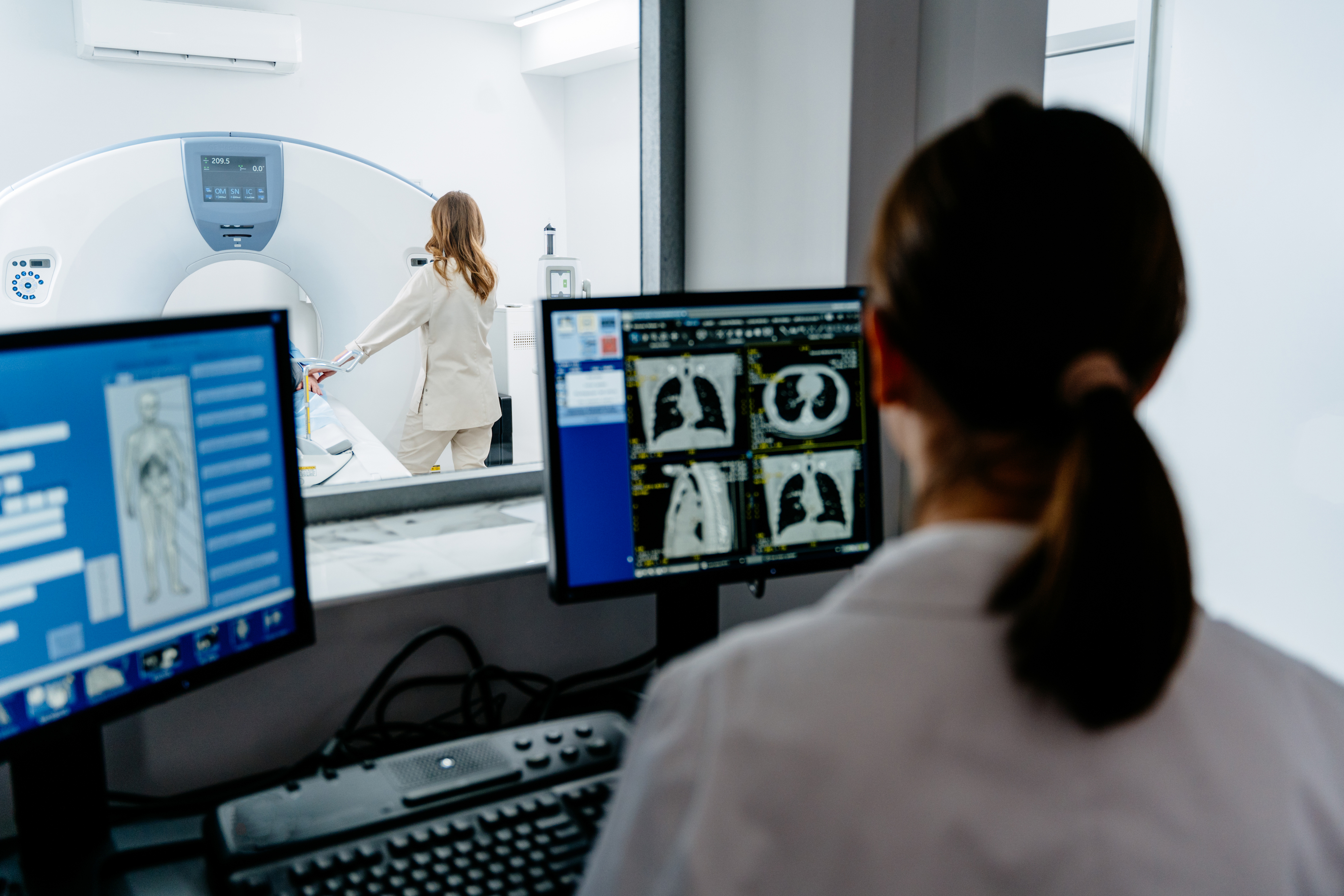
When it comes to cancer prevention, early detection truly saves lives. For many, lung cancer might seem like a distant concern- but it's actually the leading cause of cancer-related deaths in both men and women. The good news? Routine lung cancer screenings can catch problems early, when they're most tolerable.
According to Christian J. Trujillo, MD, pulmonologist at Archbold Pulmonology in Thomasville, the goal of lung cancer screening is simple: to find lung cancer before symptoms appear.
"Detecting cancer early often means more treatment options and better outcomes. When we identify even the smallest changes in the lung through screening, we can act quickly-sometimes before cancer has the chance to spread," said Dr. Trujillo. "That early intervention can make all the difference in a patient's recovery and long-term health."
Lung Cancer Risk Factors: What You Need to Know
Not everyone faces the same level of risk for lung cancer. While smoking remains the most common cause, other factors can also contribute.
Here are some of the top risk factors to be aware of:
- Smoking history: Cigarette smoking is responsible for nearly 90% of lung cancer cases.
- Secondhand smoke exposure: Even if you don't smoke, frequent exposure increases risk.
- Family history: A close relative with lung cancer can elevate your personal risk.
- Environmental exposures: Radon, asbestos, and other harmful chemicals in the workplace or home can contribute.
- Personal health history: People with chronic lung diseases such as COPD or pulmonary fibrosis may face higher risk.
"Understanding your personal risk is the first step toward prevention," says Dr. Trujillo. "If you've ever smoked-or been exposed to secondhand smoke for years-it's worth having a conversation with your doctor about screening."
How LDCT Lung Cancer Screenings Work
Archbold offers Low-Dose CT (LDCT) Lung Cancer Screenings, a safe, painless, and noninvasive imaging test designed to detect lung abnormalities at their earliest stages. Unlike a standard chest X-ray, an LDCT scan uses a very low dose of radiation to capture detailed images of your lungs. The scan takes just a few minutes and requires no injections or contrast dye.
"LDCT is one of the most effective tools we have for identifying lung cancer before it causes symptoms," explains Dr. Trujillo. "It's fast, accurate, and gives us a clear look inside the lungs, allowing us to catch small changes that might otherwise go unnoticed."
Who Should Get Screened for Lung Cancer?
LDCT screenings aren't for everyone, but they're strongly recommended for individuals who meet the following criteria:
- Adults ages 50-80
- Those with a significant smoking history (an average of one pack per day for 20 years or more)
- Current smokers or those who have quit within the last 15 years
Where Can You Get A Lung Cancer Screening in South Georgia?
If you're at an increased risk for lung cancer (and meet the criteria above), it may be time to consider an LDCT lung cancer screening. Archbold makes it easy for eligible patients to take this important step with convenient screening locations across South Georgia-including the Ambulatory Care Center in Thomasville, Archbold Mitchell in Camilla, and Archbold Grady in Cairo.
These locations are equipped with advanced imaging technology and staffed by experienced professionals who understand that preventive care can sometimes feel overwhelming. From the moment you arrive, our team is there to guide you through the process, answer your questions, and ensure you feel comfortable every step of the way.
"Our goal is to make screenings accessible to everyone who needs them," said Dr. Christian J. Trujillo. "We're committed to bringing life-saving preventive care to communities across South Georgia. By offering LDCT screenings close to home, we're removing barriers to early detection and helping more people take charge of their lung health before symptoms begin."
What to Expect During the Screening Process
When you arrive for your appointment, you'll check in and meet with a technologist who will explain each step before the scan begins. There's no special preparation required-you can eat, drink, and take your medications as usual before your appointment. You'll simple need to remove any metal objects such as jewelry, glasses, or belts that could interfere with the imaging.
During the scan, you'll lie on a padded table that slides through the CT scanner-a large, donut-shaped machine that takes detailed images of your lungs as you briefly hold your breath. The process is completely painless and takes less than 10 minutes. Most patients are in and out in under 30 minutes, including check-in and setup time.
After the screening, the images are carefully reviewed by a radiologist and your results are sent to your referring physician. If anything unusual is detected, your doctors will discuss the next steps and, if needed, connect you with specialists at the Archbold Cancer Center for follow-up care.
"Many people feel nervous before their first screening," says Dr. Christian J. Trujillo. "But once they realize how quick and easy the process is, that anxiety fades. It's one of the simplest ways to take control of your health. We want every patient to feel comfortable knowing that this small step could lead to lifesaving results."
Frequent Asked Questions About Lung Cancer Screenings
- What is a Low-Dose CT (LDCT) lung cancer screening?
An LDCT lung cancer screening is a special type of CT scan that uses a low dose of radiation to take detailed images of your lungs. It helps doctors detect lung cancer or other abnormalities early—often before symptoms appear. The scan is quick, painless, and doesn't require any injections or special preparation.
- Who should get a lung cancer screening?
If you meet the criteria listed below, talk with your primary care physician about whether screening is right for you. Lung cancer screenings are recommended for:- Adults between ages 50 and 80
- People who currently smoke or have quit within the past 15 years
- Those with a smoking history of at least 20 pack-years (equal to one pack a day for 20 years, or two packs a day for 10 years)
- How often should I get screened?
For individuals who qualify, an LDCT lung cancer screening is typically recommended once per year. Your doctors will help determine the right schedule for you based on your personal risk factors and screening results.
- What happens if my scan shows something abnormal?
An abnormal result doesn't always mean you have lung cancer. Sometimes, it can indicate a benign (noncancerous) spot of inflammation. If anything unusual is found, your doctor will discuss the results with you and may recommend further imaging, monitoring, or referral to a specialist at the Archbold Cancer Center for follow-up testing.
- Is the LDCT screening covered by insurance?
Most insurance plans, including Medicare, cover LDCT screenings for eligible patients who meet the age and smoking history criteria. Check with your insurance provider or your Archbold care team for details about your specific coverage.
- Where can I get a lung cancer screening in South Georgia?
Archbold offers LDCT lung cancer screenings at three convenient locations in South Georgia: Archbold Ambulatory Care Center in Thomasville, Archbold Mitchell in Camilla, Archbold Grady in Cairo.
- How do I schedule a screening?
Start by talking to your primary care physician. If you meet the criteria, your doctor can provide a referral to schedule your LDCT scan at an Archbold facility near you. From there, our team will guide you through the process, ensuring everything is as smooth and stress-free as possible.
Take Control of Your Lung Health
Lung cancer screenings might feel intimidating, but they can be lifesaving. By identifying cancer before symptoms develop, LDCT scans can dramatically improve survival rates and treatment options.
If you're between 50 and 80 years old, have a history of smoking, or quit within the last 15 years, talk to your primary care doctor today about whether an LDCT scan is right for you.