
Holiday Travel & Back Pain: Expert Tips for a More Comfortable Trip
- Category: News
- Posted On:
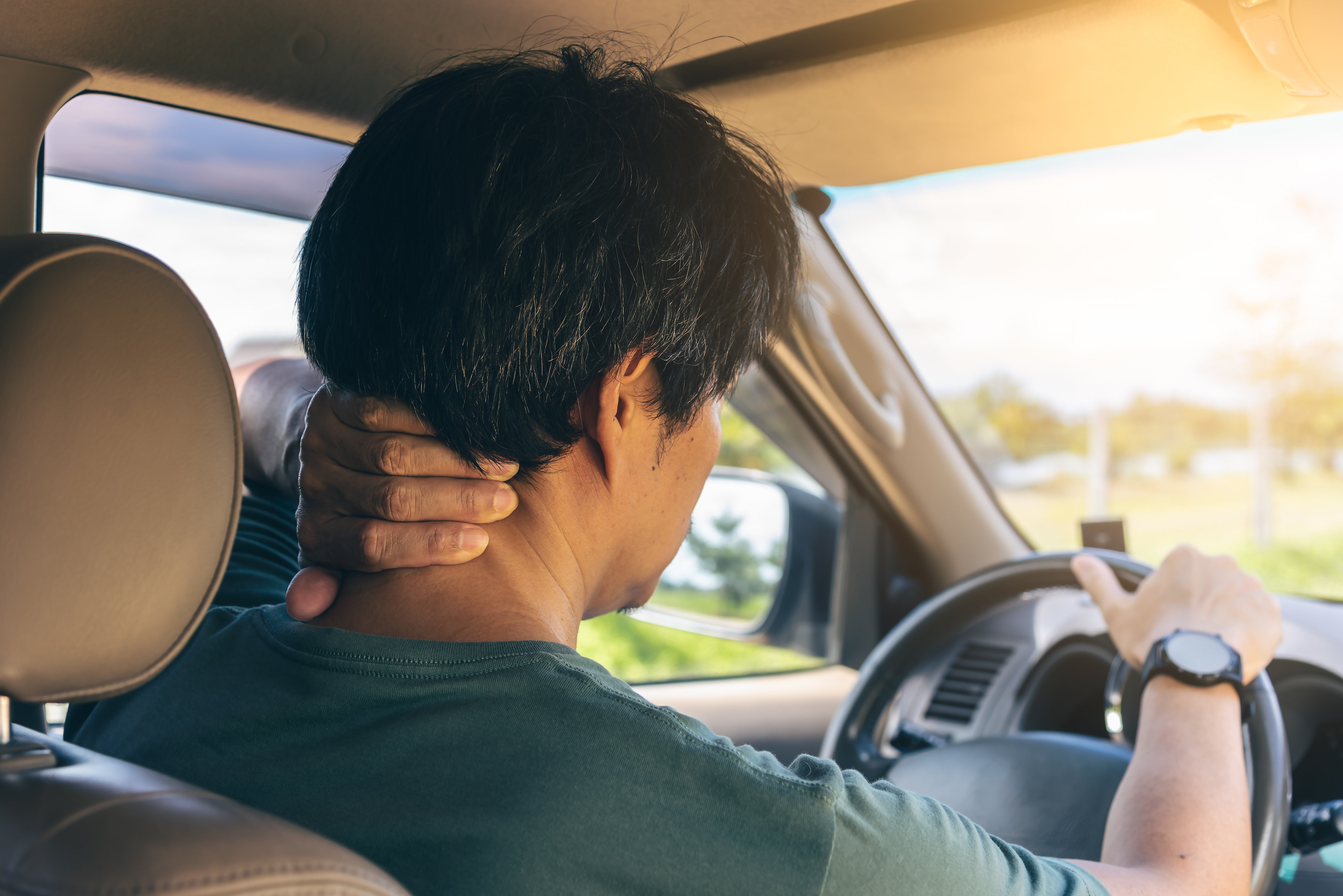
The holidays are supposed to be merry and bright, but long hours in a car or cramped airplane seat can make your back feel anything but cheerful. Whether you're driving across state lines to see family or navigating a busy airport, travel puts extra stress on your spine. Sitting for long stretches, lifting heavy bags, and sleeping in unfamiliar beds can all lead to stiffness, soreness, or event a painful flare-up.
But back pain shouldn't keep you from traveling and enjoying holiday traditions. A few simple adjustments before and during your trip can help you travel comfortably and keep pain in check.
To help you prepare, we asked Brian Russell, MD, a neurosurgeon at Archbold Neurosurgery in Thomasville, to share his tips for staying pain-free on the go.
Why Travel Often Triggers Back Pain
Even people who don't struggle with chronic back issues may feel discomfort when traveling. The combination of long periods of sitting, cramped seating, heavy lifting, and sudden changes in routine places extra strain on your spine.
"Back pain during ravel is extremely common because the spine simply wasn't designed to stay in once position for hours at a time," explains Dr. Russell. "When your muscles tighten, and your joints stiffen, even small movements can become painful."
Here's a closer look at the most common triggers- and why they affect you:
Prolonged Sitting
Whether you're in a car, plane, or train, sitting for long stretches compresses the spine and tightens the muscles around it. Limited legroom and reclined seats make it even harder to maintain a healthy posture.
"Your spine thrives on movement," says Dr. Russell. "When you're stuck in one position, the discs and joints absorb more pressure, which can lead to soreness or even a flare-up of chronic conditions."
Poor Posture in Tight Spaces
Travel seating rarely supports the natural curve of your lower back. Slouching, hunching over your phone, or sitting crookedly to get comfortable all increase strain on your spine.
Heavy or Awkward Lifting
From lifting suitcases into a car trunk to hoisting bags into overhead bins, holiday travel often means handling heavy items. Twisting while lifting, or lifting with your back instead of your legs, can lead to muscle pulls or even acute injuries.
Sudden Increases in Activity
Travel days often involve more movement than usual: walking long airport corridors, standing in lines, carrying bags, or climbing stairs in parking garages.
"Changes in your routine, especially increased activity after long periods of sitting, can be a shock to the body," Dr. Russell notes. "Your muscles may not be prepared, which makes them more prone to strain."
Poor Sleep in New Environments
Hotel mattresses, guest room beds, or fold-out sofas rarely offer the support your back is used to. Sleeping in new or less supportive positions can tighten muscles and worsen stiffness the next morning.
Stress and Fatigue
Holiday travel can be hectic. Stress increases muscle tension, especially in the next, shoulders, and lower back, which can contribute to soreness.
Before You Leave: Set Yourself Up for a Comfortable Trip
A little preparation makes a big difference, especially when it comes to protecting your spine. The days leading up to your trip are the perfect time to give your back the support it needs. Simple habits like stretching, choosing the right luggage, and planning ahead can help prevent stiffness and discomfort once you're on the road or in the air. Taking these small steps now can make for a more comfortable and enjoyable holiday journey.
Stretch and strengthen before you hit the road.
Spend a few days doing gentle movements like hamstring stretches, hip openers, or light core exercises.
"Keeping your muscles flexible and activated can significantly reduce stiffness during travel," says Dr. Russell. "It's about giving your spine the support it needs before you're in that care or on that plane."
Choose the right luggage
Opt for rolling suitcases instead of heavy shoulder bags to avoid uneven pressure on your spine.
Bring supportive travel essentials.
These small items can help keep your spine aligned and relaxed while you travel:
- Lumbar support pillow or rolled towel
- Heat or cold packs
- Comfortable walking shoes
- Any needed orthopedic braces
During Travel: Protect Your Back on the Road or in the Air
Build in movement breaks.
If you're driving, stop every 60-90 minutes to stretch. On flights, stand or walk the aisle when safe. Movement is the best defense against stiffness. Even short breaks can keep your back from tightening up.
Use lumbar support.
Place a small pillow at your lower back helps maintain the natural curve of your spine.
Avoid twisting while lifting.
Turn your whole body rather than twisting your torso when grabbing luggage.
Stay hydrated.
Staying hydrated helps keep your muscles and discs from tightening up.
After You Arrive: Recover and Reset
"if your back feels tight after a long trip, that's your body's way of asking for movement and recovery," says Dr. Russell. "Gentle stretching and heat can go a long way."
Once you reach your destination:
- Apply heat to relax tense muscles.
- Use ice if you notice swelling or acute pain.
- Take a gentle walk to loosen stiff joints.
- Stretch your hips, glutes, and lower back.
- Prioritize rest.
When Back Pain Means You Should See a Specialist
While occasional stiffness or mild soreness after travel is common, certain signs can indicate a more serious issue that needs prompt evaluation. Persistent or worsening back pain, neurological symptoms, or difficulty moving may point to an underlying problem that won't resolve on its own. Knowing what to watch for can help you get timely care and prevent a minor issue from becoming something that interferes with your daily life.
You should schedule a neuro evaluation if you experience:
- Back pain that lasts more than a few days
- Numbness, tingling, or shooting pain down your leg
- Weakness or difficulty standing
- Severe pain after lifting luggage
- Back pain that disrupts sleep or daily activity
"Persistent or severe pain is a signal that something deeper may be going on," Dr. Russell emphasizes. "The sooner we evaluate it, the sooner we can help you find relief."
Don't Let Back Pain Get in the Way of Your Holiday Getaway
Holiday travel should be filled with moments that matter—not discomfort. With a few preventive strategies and guidance from your neuro care team, you can move comfortable and enjoy everything the season has to offer.
If back pain is keeping you from traveling or doing the things you love, schedule an appointment with Dr. Brian Russell at Archbold Neurosurgery today!