
Breast Health Basics: Why Self Exams, Screenings, and Annual Mammograms Matter for Women in South Georgia
- Category: News
- Posted On:
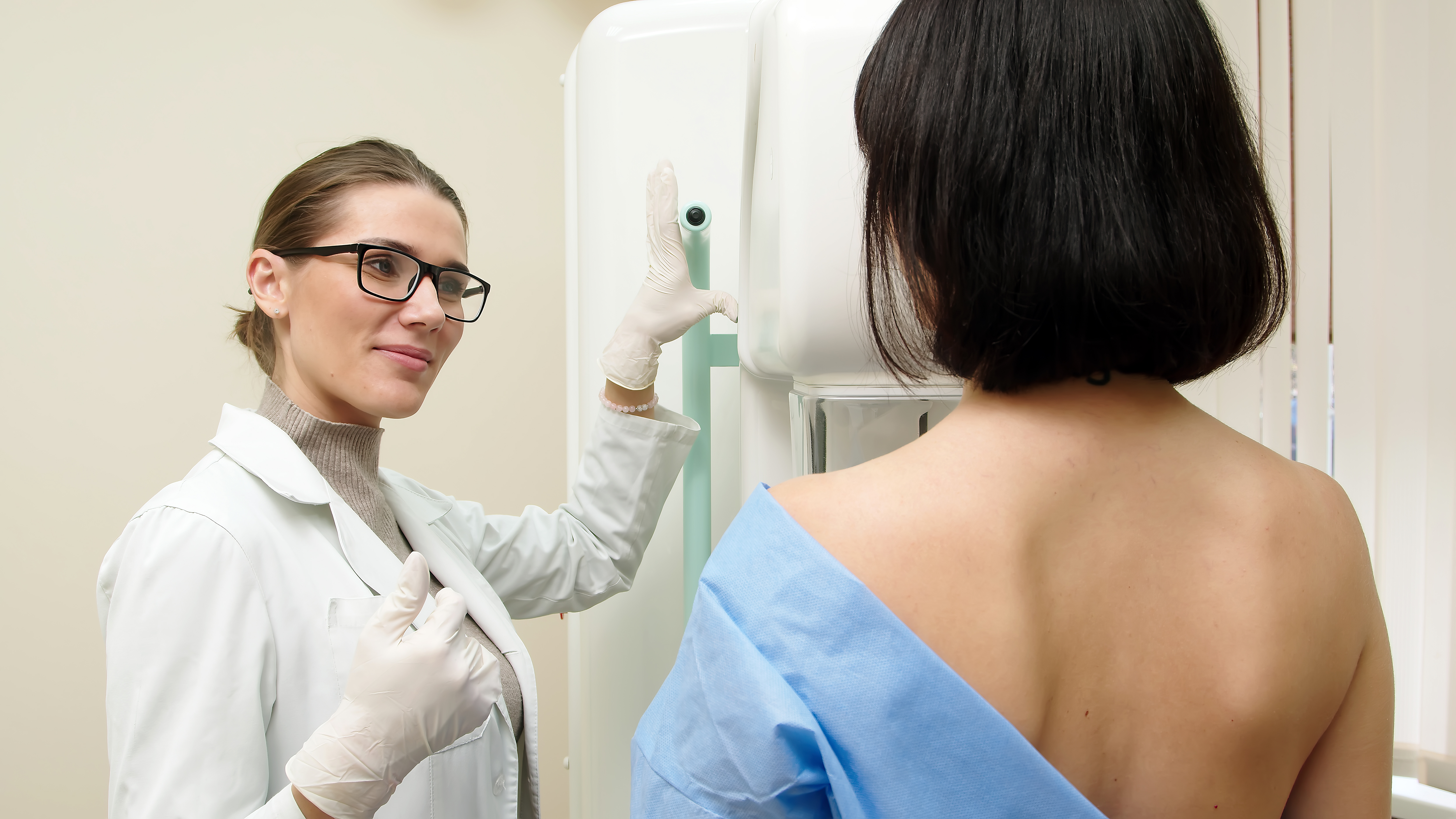
For many women, the idea of doing regular self breast exams or scheduling a mammogram feels like something they'll "get around to." But early detection can make all the difference. And taking charge of your breast health is one of the most empowering steps you can take for your overall well-being.
As Dr. Rachel P. Anderson, a primary care physician at Archbold Primary Care in Thomasville, explains: "Early detection saves lives. I always encourage my patients to know their own bodies and stay consistent with screenings."
Why Self Breast Exams Matter
Your first line of defense is knowing what's normal for your body. Monthly self breast exams give you the chance to notice changes early, whether that's a new lump, swelling, skin changes, or nipple discharge.
"Think of self breast exams as a quick monthly routine you do just for you," says Dr. Anderson. "Choose the same time each month, like a week after your period ends, so changes are easier to spot."
How to Perform an Effective Self Breast Exam
- Aim to do one each month, around the same point in your menstrual cycle for consistency.
- Use the pads of your fingers to gently feel for any unusual lumps, thickened tissue, or changes in the breast.
- Check while lying down and standing (the shower is a good option).
- Take a moment in front of a mirror to look for any difference in size, shape, or skin appearance.
"Self breast exams aren't about being perfect," Dr. Anderson emphasizes. "They're about being familiar with your body so you'll recognize if something feels different."
Why Clinical Breast Exams Are Still Important
Self breast exams are important, but they aren't enough on their own. That's where clinical screenings come in.
"During your annual wellness visit, your primary care provider or gynecologist will perform a clinical breast exam as part of your preventive care," Dr. Anderson explains. "It's another opportunity to spot potential issues and talk through your risk factors for breast cancer."
Clinical breast exams are especially valuable because your healthcare provider can:
- Detect changes that may not be obvious during a self breast exam.
- Review your family and personal history to determine if you need earlier or more frequent screenings.
- Help establish a plan for when to start mammograms.
Why Mammograms Are Worth It
Mammograms are the most effective tool for detecting breast cancer early. In fact, mammograms often detect breast cancer in women before a lump can be felt.
"I like to remind my patients that mammograms can find cancers too small to feel," Dr. Anderson says. "That's why staying on schedule is so important, even if you feel perfectly healthy."
What to Know About Mammograms
- Mammograms are safe. They use a very low level of radiation, much less than many other medical imaging tests. The risk is minimal compared to the benefits of early detection of breast cancer.
- Most women should start getting mammograms at age 40. For most women, annual screenings are recommended starting at age 40. If you have a family history of breast cancer or other risk factors, your provider many recommend starting earlier.
- 3D mammograms provide doctors with a clearer view. Digital mammography and 3D mammography (also called tomosynthesis) are commonly used today. 3D mammograms give doctors a clearer view and may reduce the need for follow-up testing.
- Mammograms are non-invasive and typically only take about 20 minutes. During a mammogram, your breast is gently compressed between two plates while images are taken from different angles. While some women experience mild discomfort, it's usually brief. The entire procedure typically takes 20 minutes or less.
- Mammograms can detect breast cancer early. When breast cancer is detected early through mammograms, treatments are often less invasive, recovery times are shorter, and survival rates are significantly higher.
"It's one of the simplest, most powerful things women can do for their health," Dr. Anderson emphasizes. "Taking 20 minutes once a year can literally save your life."
Truth vs. Myths About Mammograms
It's completely normal to feel a little nervous about scheduling a mammogram. Many women hesitate because they're worried about pain, radiation exposure, or the possibility of receiving bad news. Others avoid it because they've heard myths that simply aren't true.
Here are common misconceptions about mammograms, along with facts to clear them up.
- "Mammograms are too painful." while there may be some brief pressure or discomfort when the breast is compressed, most women describe it as tolerable and quick.
- "Radiation makes mammograms unsafe." The dose is extremely low. It's about the same as the background radiation you naturally get from your environment over a couple of months.
- "If I don't feel a lump, I don't need one." Mammograms can detect changes long before a lump can be felt during a self breast exam.
- "If the results are abnormal, it must be cancer." Not true! Many abnormal results turn out to be harmless, but they do deserve follow-up testing for peace of mind.
Simple Ways to Make Mammograms Less Stressful
Feeling a little nervous about your mammogram is completely normal. The good news is that there are a few easy steps you can take to feel more comfortable and confident:
- Pick the right timing. Schedule your appointment for when your breasts are least tender, which is usually the week after your period.
- Dress smart. A two-piece outfit makes things easier since you'll only need to remove your top.
- Bring support. If you're especially anxious, consider bringing a trusted friend or family member with you.
- Ask questions. Don't hesitate to ask your provider or technologist to explain the process step by step. Knowing what to expect can ease a lot of worry.
- Keep perspective. This brief appointment could make all the difference for your health and peace of mind.
How to Schedule Your Annual Mammogram in South Georgia
Taking charge of your breast health means being proactive and not waiting until symptoms appear. Monthly self breast checks, annual wellness visits, and regular mammograms all work together to protect your health and give you peace of mind.
"My advice to every woman is simple," says Dr. Anderson. "Don't put it off. Your health is worth prioritizing."
The good news is that most insurance plans cover an annual screening mammogram for women at no cost as part of preventive care. To get started, simply talk with your primary care physician or gynecologist about writing you an order for a mammogram. Once you have it, scheduling your screening is quick and convenient.
Mammogram Locations at Archbold
Archbold makes it easy for women across South Georgia to access breast cancer screenings close to home. You can schedule your mammogram at:
- Archbold Women's Center in Thomasville
- Archbold Mitchell in Camilla
- Archbold Grady in Cairo
- Archbold Brooks in Quitman
Discuss your annual mammogram with your doctor and schedule an appointment today at the Archbold location nearest you.